


Why Scottish Interior Designers Are Obsessed With Stone Veneer (And What They Know That You Don't)


There's a reason you keep seeing natural stone veneer in every high-end Scottish home featured in design magazines, and it's not just because it looks expensive. Interior designers have understood something for years that most homeowners are only beginning to discover: stone veneer isn't about covering walls—it's about creating an emotional anchor point in a room.
Walk into a space with a carefully selected stone feature wall, and you'll notice something shift. The room feels heavier, more permanent, more intentional. This isn't accident. Professional designers specify natural stone veneer because they understand how human psychology responds to geological materials. We recognize stone as primal, authentic, unchanging. In a world of fast furniture and disposable design, stone tells a different story.
But here's the part that rarely gets discussed: what works in London design magazines doesn't necessarily work in Scottish homes. And that's where the real insider knowledge begins.
The Designer Secret: Stone Isn't Decoration—It's Architecture
When interior designers specify stone veneer for a project, they're not thinking about it the way homeowners typically do. They're not asking "where can I add some texture?" They're asking "where does this room need visual weight?"
This distinction matters enormously. A feature wall idea executed poorly becomes a Pinterest experiment that dates quickly. A feature wall created with architectural intention becomes the room's permanent foundation—the element everything else is designed around.
Professional designers understand that natural stone veneer functions as spatial punctuation. It stops the eye. It creates hierarchy. It signals to anyone entering the room that this surface—and by extension, this entire space—was designed with purpose.
The emotional mathematics are straightforward: people assign higher value to homes with natural materials. Stone registers as expensive because, historically, it has been. Even when modern manufacturing makes stone wall finishes more accessible, our psychological response remains unchanged. We see stone, we assume quality, we feel reassured about the space we're inhabiting.
This is why designers reach for collections like The Essentials from suppliers who understand restraint. Products like Pure Pearl or Silver Mist work precisely because they don't demand attention—they provide it. There's a sophistication in understanding when a room needs a whisper rather than a shout.
The homeowner who understands this principle has already surpassed ninety percent of renovation projects. You're not decorating walls. You're building the architectural bones the room was missing.
Why Scotland Demands Different Stone Thinking
Here's what interior designers working in Scottish homes know that design blogs rarely mention: Scotland's climate is actively hostile to materials that don't respect moisture.
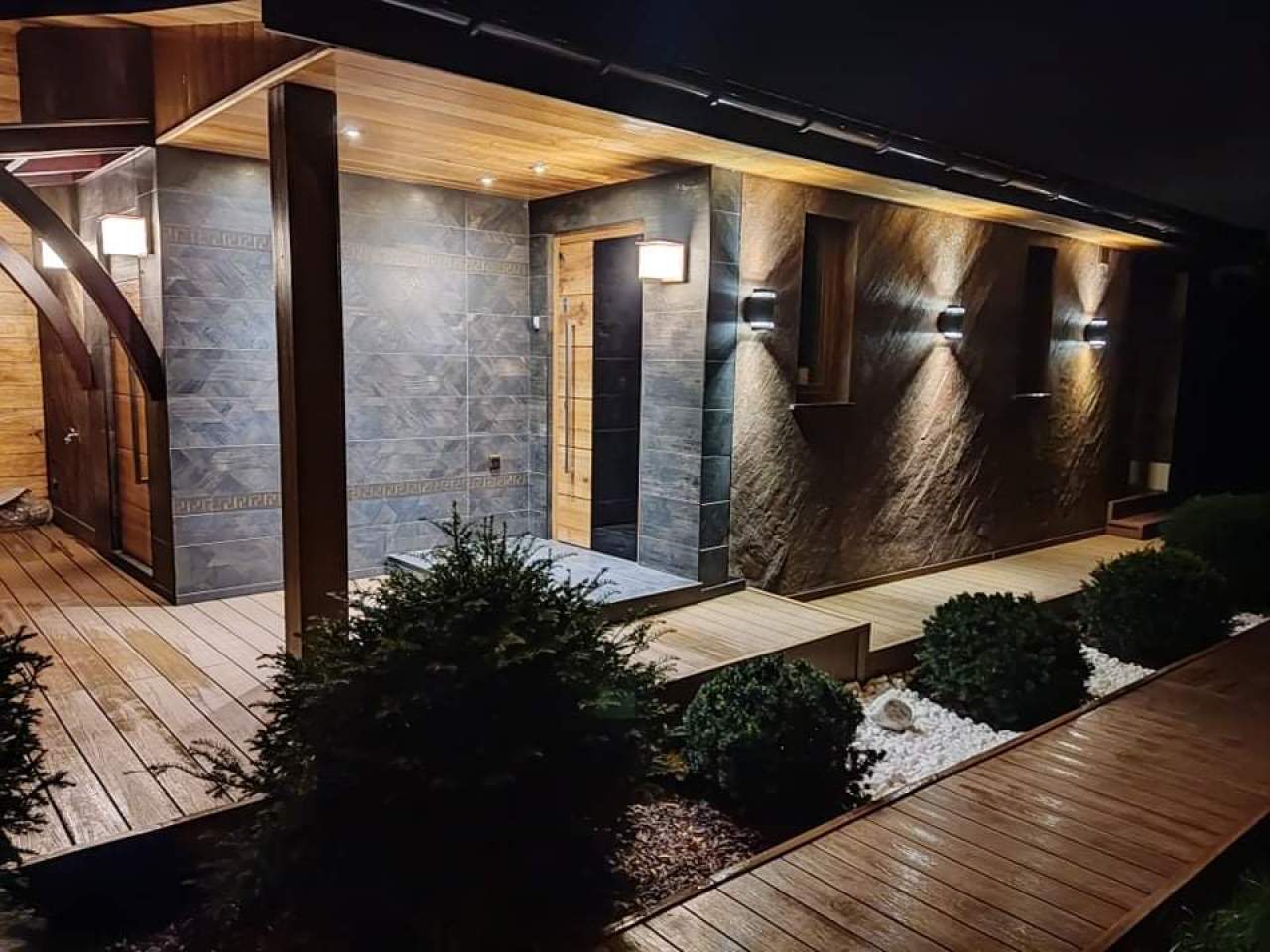
The persistent dampness, the temperature fluctuations, the fact that "four seasons in one day" isn't a poetic exaggeration—these realities fundamentally change which materials perform and which fail. Natural stone veneer that works beautifully in a dry Mediterranean climate might develop issues within months in the Scottish climate if specified incorrectly.
This isn't about stone quality. It's about understanding material science in context. Scottish interior design requires suppliers who comprehend why certain stone formats handle moisture differently, why installation methods need adapting for our conditions, why the stone's porosity matters more here than elsewhere.
Bathroom stone walls represent the perfect test case. A bathroom in Scotland faces constant humidity combined with temperature swings that would stress any material. Yet properly specified stone veneer thrives in these conditions—provided you're working with suppliers who understand the nuances. Waterproof backing systems, appropriate sealants, ventilation considerations—these details separate successful projects from expensive mistakes.
Designers working across Scotland have learned to partner with suppliers based in places like Arbroath who genuinely understand local conditions. It's not romantic localism—it's practical risk management. When you're specifying materials for a five-figure renovation, you want suppliers who've solved these problems repeatedly in similar climates, not companies shipping generic products designed for different environmental realities.
The stone itself isn't fragile. But the application knowledge is specialized. This is why experienced designers in Scottish homes don't just specify "stone veneer"—they specify suppliers who know what questions to ask about the project's specific conditions.
The Applications Designers Prioritize
Interior designers approach stone veneer with clear hierarchies. Some applications deliver disproportionate visual impact. Others solve specific spatial problems elegantly. Understanding which is which separates competent design from transformative work.
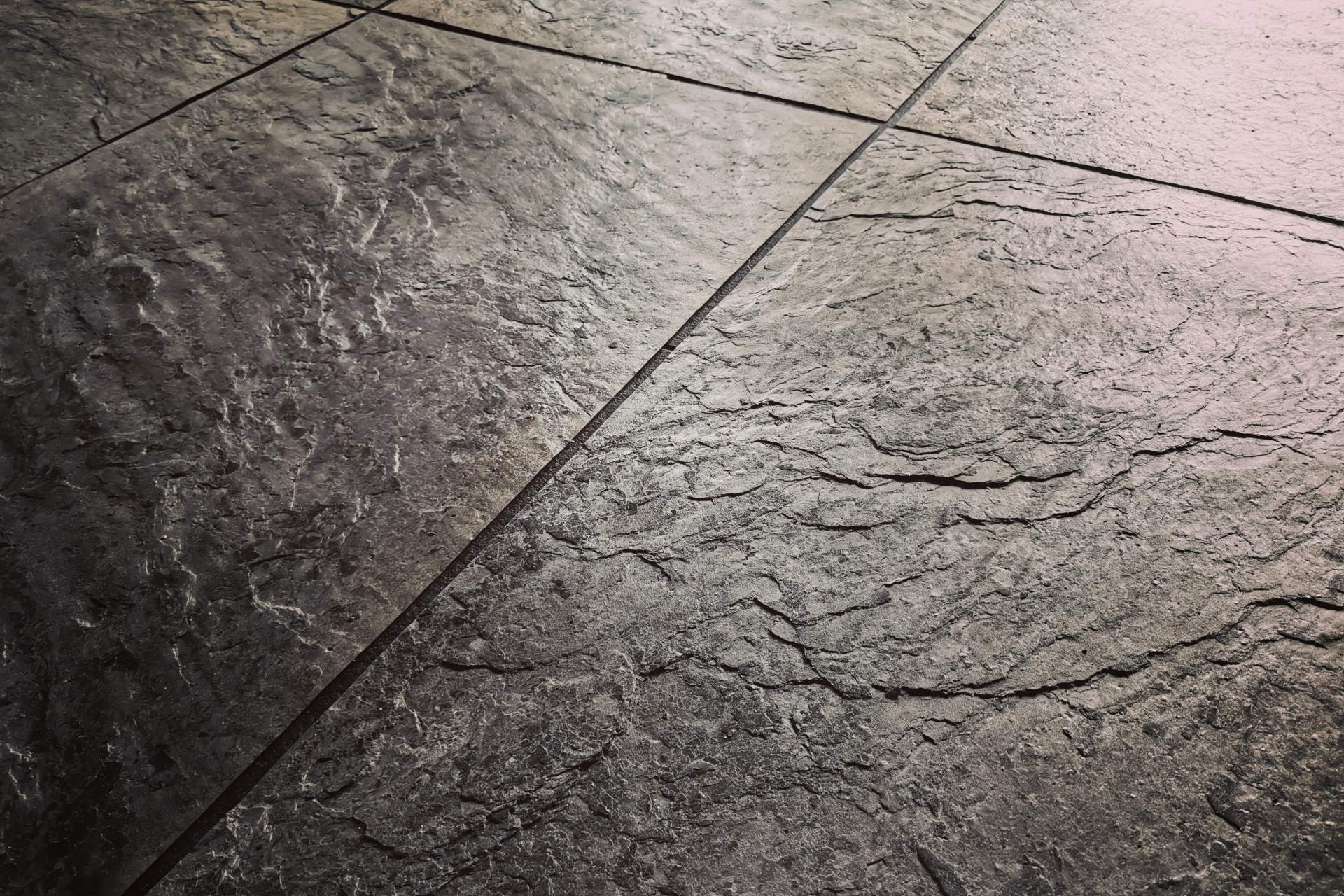
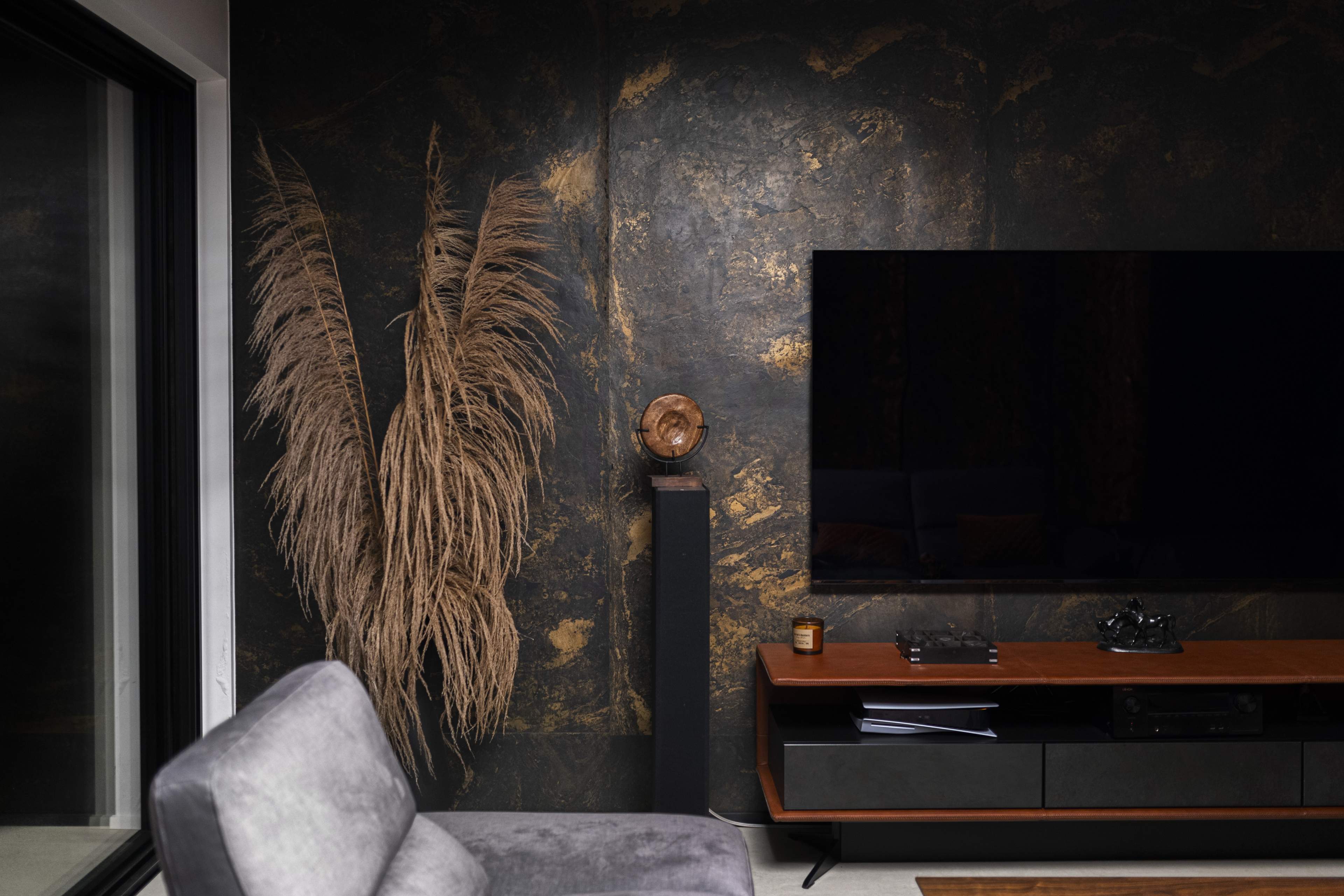
Living space feature walls remain the most powerful single intervention. A well-executed interior stone wall anchors an entire open-plan area, giving definition to spaces that otherwise blur together. Designers often specify lighter tones like Morning Dove or Winter White for north-facing rooms where Scotland's limited daylight needs amplification. The stone catches and holds whatever natural light enters, making the room feel less closed-in.
The effect is cumulative. Stone reads as expensive, which elevates everything surrounding it. Suddenly that high-street sofa looks more considered. The lighting fixtures seem more deliberate. The entire room's perceived value increases because one surface signals quality.
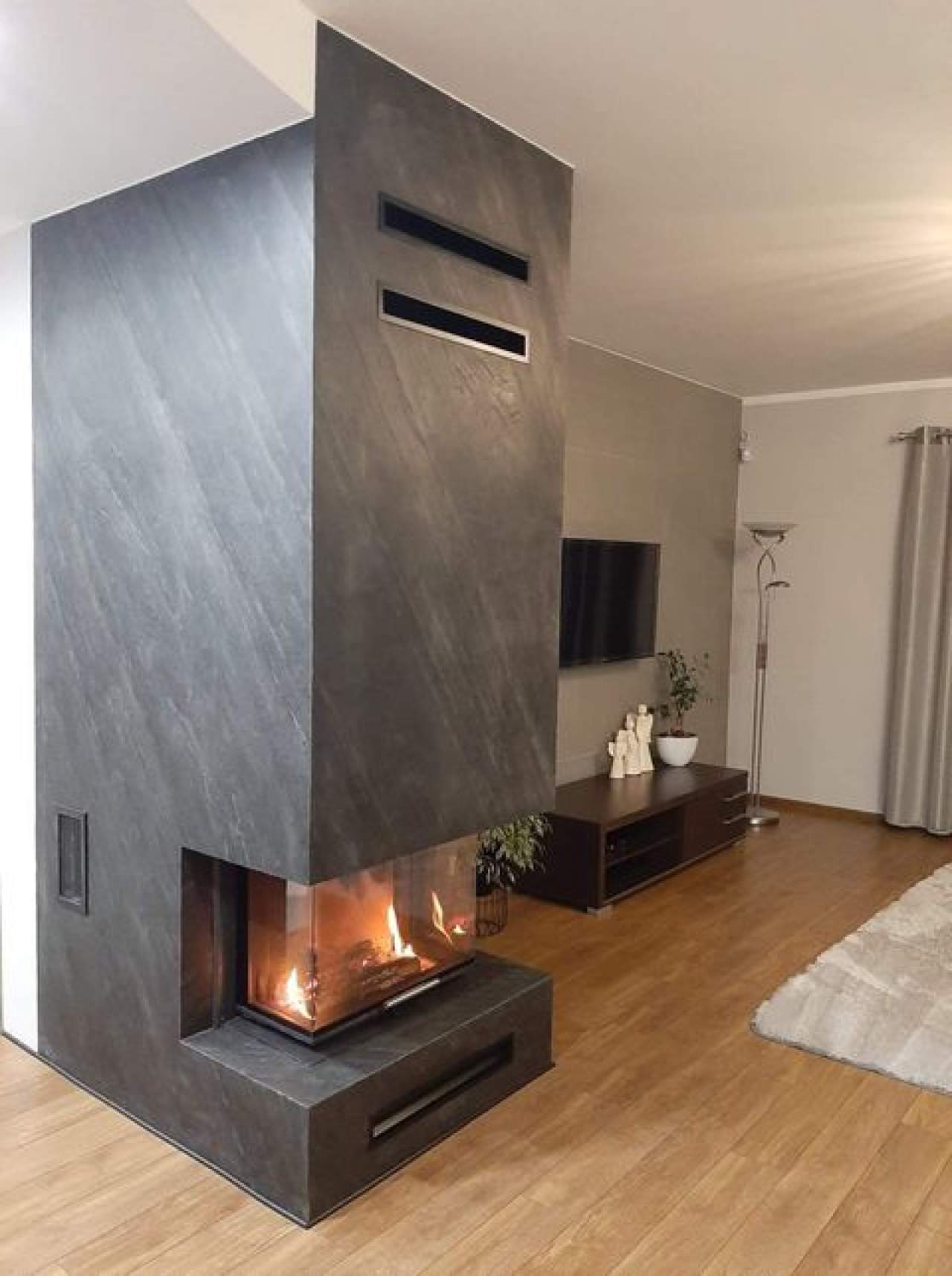
Fireplace stone veneer represents emotional design at its most effective. Fire and stone together trigger something primal in human response. Designers working on renovations frequently discover old fireplaces that were covered during the minimalist phase of the 1990s. Restoring them with contemporary stone veneer creates a focal point that feels simultaneously ancestral and modern.
Products like Golden Honey or Copper Flame work particularly well here. The warm tones complement firelight while maintaining presence when the fire isn't burning. It's worth noting that fireplace surrounds allow for more dramatic stone choices—this is the one application where "statement" selections from collections like The Statements feel appropriate rather than overwhelming.
Bathroom transformations deserve specific attention. Scottish bathrooms face unique challenges, and designers have learned that bathroom stone walls, when executed correctly, solve multiple problems simultaneously. They handle moisture without damage, they elevate spaces that typically feel utilitarian, and they create a spa-like sensibility without requiring elaborate fixtures.
The key is understanding format. Large-format stone works differently than smaller tiles in tight bathroom spaces. Designers increasingly specify products that minimize grout lines, creating a more continuous surface that both looks cleaner and actually stays cleaner in moisture-rich environments.
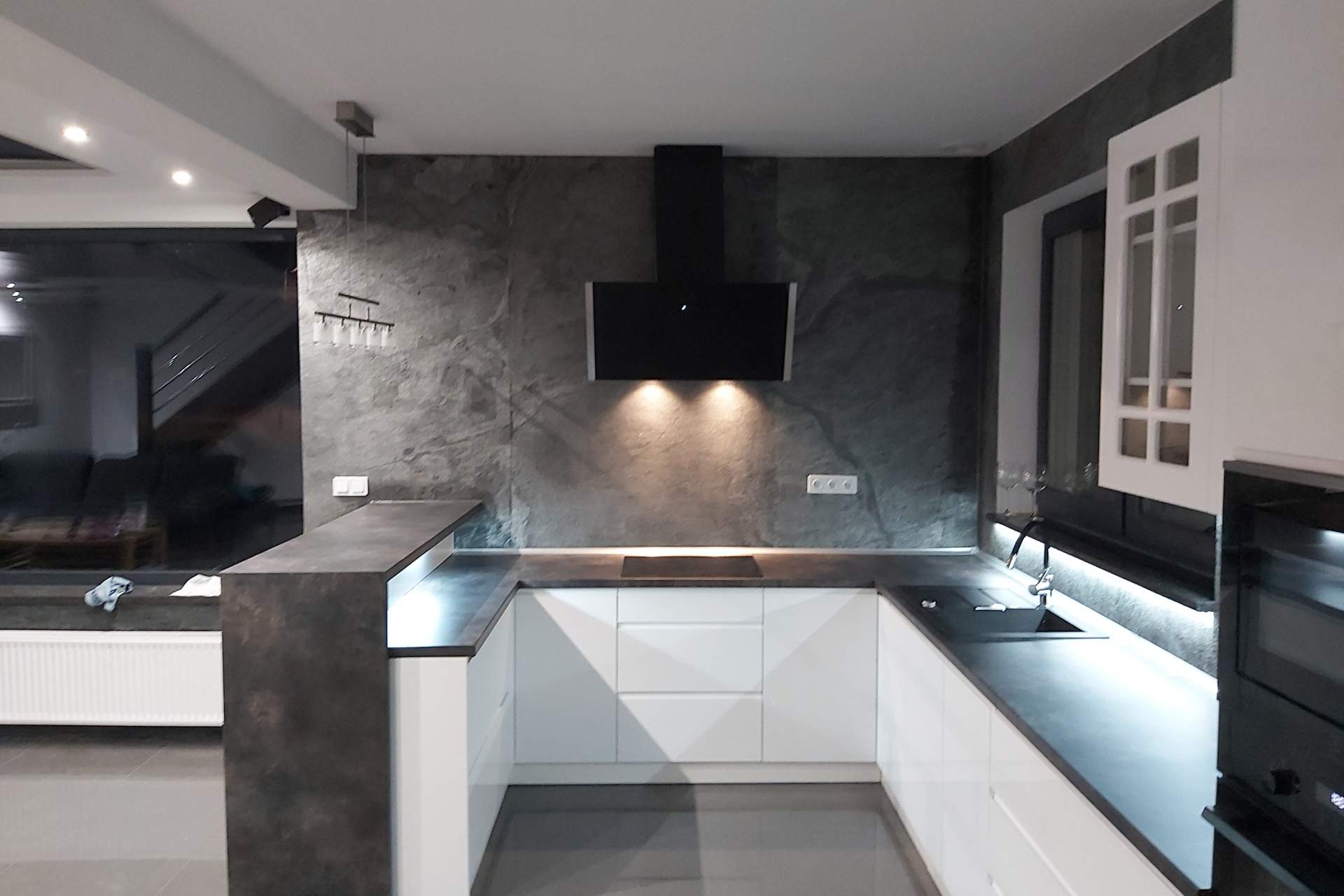
Kitchen accent walls represent the emerging application. Not full backsplashes—those remain practical tile territory—but accent walls adjacent to kitchen areas. Designers use stone veneer here to differentiate the cooking zone from the living space in open-plan designs, creating visual separation without building actual walls. Products like River Grey or Soft Charcoal provide the necessary definition while maintaining neutral ground that won't fight with cabinetry colors.
The sophisticated move is treating stone as the permanent element you design around, not the decorative flourish you add last. This inverts the typical homeowner approach entirely.
What Separates Premium Suppliers From Catalogue Companies
Interior designers develop strong supplier relationships because they understand that product quality is only one variable. Consistency matters. Installation knowledge matters. Supply reliability matters when you're managing client timelines.
Premium stone veneer suppliers distinguish themselves through curation rather than inventory volume. Presenting homeowners with two hundred options creates decision paralysis. Presenting them with carefully edited collections that exclude poor choices demonstrates confidence and expertise.
This curatorial approach mirrors how designers themselves work. When you specify materials professionally, you're not offering clients every possible option—you're editing down to selections appropriate for their project. Suppliers who think this way become partners rather than vendors.
Format options separate serious suppliers from those focused solely on commodity sales. Lightweight stone veneer has revolutionized applications, but not all lightweight formats perform equally. Understanding which backing systems provide genuine structural support versus which are essentially cosmetic distinctions requires technical knowledge most homeowners lack. Designers rely on suppliers who can explain these differences without marketing obfuscation.
Installation support matters more than homeowners typically realize until problems emerge. Stone veneer installation isn't complex, but it's specific. The details that prevent future issues—proper substrate preparation, appropriate adhesive selection, expansion joint planning—require experience. Suppliers who've cultivated relationships with experienced installers across Scotland become valuable resources for designers managing projects remotely.
Consistent supply availability sounds mundane until you're three weeks from project completion and discover your specified stone is suddenly unavailable for six months. Designers remember which suppliers maintain stock, which require eight-week lead times, and which communicate honestly about availability. Trust builds slowly in the design trades, and it's primarily built on operational reliability.
The Collections Concept That Changed Everything
The shift toward collection-based thinking represents perhaps the most significant recent evolution in how stone veneer gets specified. Rather than presenting stone as interchangeable units varying by color, forward-thinking suppliers now organize products into distinct collections with clear design points of view.
The Essentials collection exemplifies this approach perfectly: "Start here. No mistakes possible." This isn't marketing language—it's honest guidance. Products like Pure Pearl or Silver Mist work in virtually any residential context because they provide visual interest without demanding specific design commitments. Designers specify these when clients need confidence rather than adventure.
Contrast this with The Statements collection: "Be brave. Be remembered." Products like Midnight Ocean or Cosmic Black aren't safe choices. They're deliberate declarations. Designers specify these when the project brief explicitly calls for drama, when the client's personality suits bold gestures, when the architectural context can support intensity.
This framework helps homeowners understand what designers instinctively grasp: different stones serve different purposes. You're not choosing between "good" and "bad" options—you're choosing between different design intentions.
The collection approach also acknowledges that stone selection anxiety is real. Walking into a stone yard with hundreds of options overwhelms rather than empowers. Organizing products into curated groups with clear characteristics makes decisions manageable. It's the difference between a gallery exhibition and a warehouse.
Designers appreciate this because it gives them a shared language with clients. Instead of debating whether specific stones look "too dark" or "too busy," the conversation shifts to which collection aligns with the project's overall character. Do we want essential restraint or natural warmth? Are we creating a treasure or making a statement?
This isn't revolutionary thinking—it's how fashion designers organize seasonal collections, how paint companies structure color systems, how any mature industry helps customers navigate complexity. That stone veneer suppliers in Scotland are finally adopting this approach signals the category's maturation.
What Happens Next Is Up To You
Interior designers discovered these principles through hundreds of projects, through mistakes and successes, through learning which suppliers could be trusted and which couldn't. That knowledge is no longer proprietary. You now understand the same fundamental principles professionals apply.
The space between inspiration and implementation isn't as wide as it appears. Visit masowastone.com to explore the full collection range organized by design intention rather than arbitrary categories. See how professional curation simplifies rather than complicates selection.
If you're ready to move beyond digital browsing, the Arbroath showroom provides physical context for how different stones perform under Scottish light conditions. Appointments allow for focused consultation rather than rushed showroom browsing. Contact [email protected] or call 07792 877243 to schedule.
The gap between aspiration and achievement in home design typically narrows to a single decision: choosing to approach the project with professional-level thinking rather than consumer-level hoping. Stone veneer offers unusual leverage here. Done correctly, it establishes the architectural credibility that makes everything else in the room appear more considered.
Your home doesn't need to look like it was designed by a professional. But it should look like it was designed with professional understanding. That difference—invisible to most, obvious to those who know—is what this article has been about all along.
Blog Gallery

Blog posts
More articles to come soon...
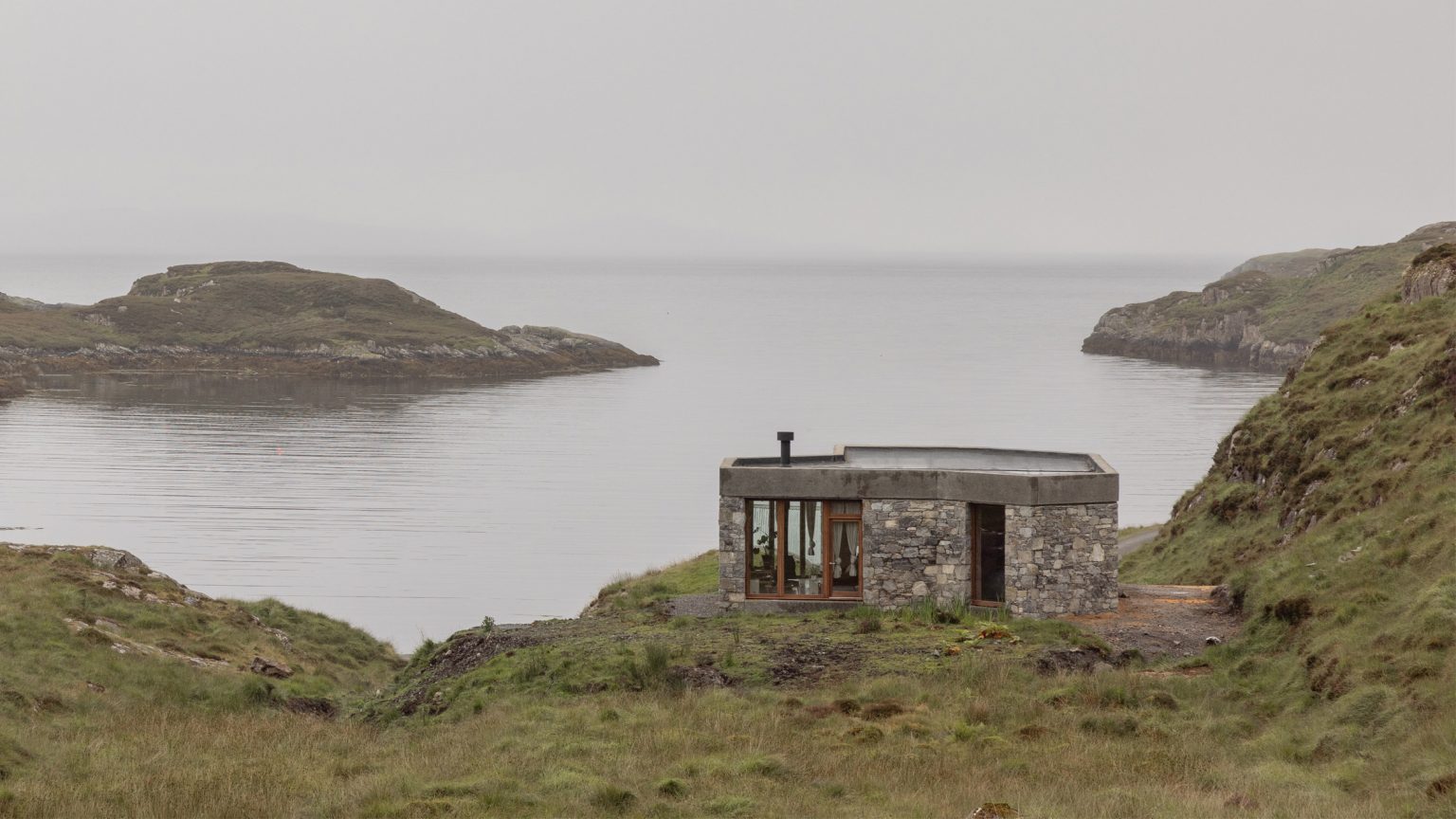
Exterior Stone Veneer Scotland: What RIBA House of the Year 2025 Winner Teaches Us
Scotland's 2025 House of the Year proves that in harsh climate, stone wins. RIBA's award-winning Caochan na Creige on Isle of Harris survived 9 storms during construction. Here's what this project teaches about exterior stone veneer performance in Scottish conditions - and how modern stone veneer achieves the same climate resilience practically.

Why Scottish Interior Designers Are Obsessed With Stone Veneer (And What They Know That You Don't)
There's a reason you keep seeing natural stone veneer in every high-end Scottish home featured in design magazines, and it's not just because it looks expensive. Interior designers have understood something for years that most homeowners are only beginning to discover: stone veneer isn't about covering walls—it's about creating an emotional anchor point in a room.

Are you interested in a similar solution? Contact us via this form.
Send us a message
Or fill complete form

Open
Why sign up to our newsletter


