
What's the Difference Between Stone Veneer, Real Stone and Manufactured Stone?
Three types of stone veneer, three very different products. Weight, cost, fire rating, and performance compared, so you know what you're actually buying.
Quick Answer
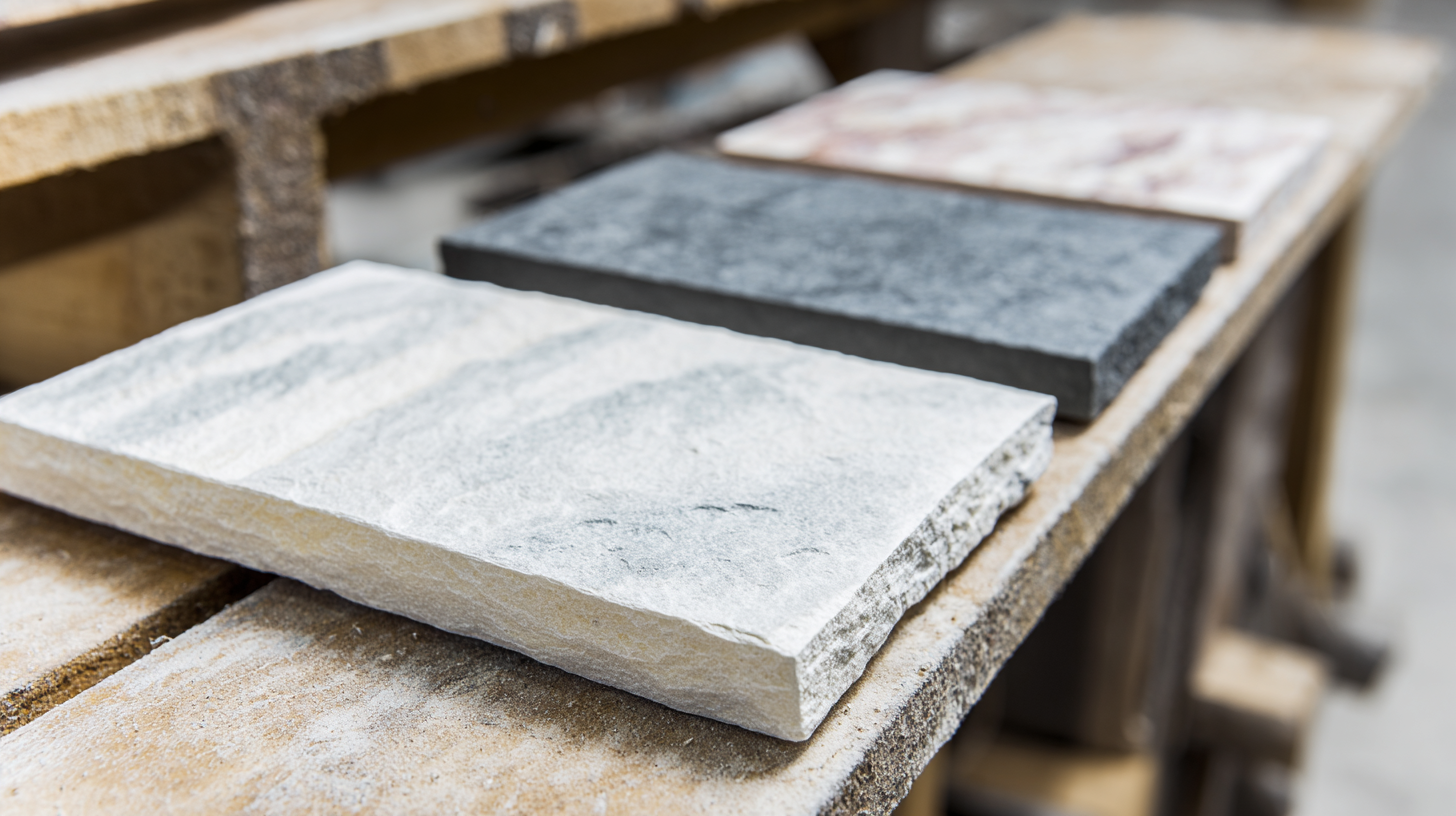
If you've been looking at stone veneer and found products ranging from £30 to £150 per square metre — with weights ranging from 1.5 kg/m² to 75 kg/m² — you're not comparing like with like. The stone veneer market covers three fundamentally different product categories: thick-cut natural stone, manufactured stone, and ultra-thin natural stone. They look similar in photographs. In every other respect — weight, substrate requirements, fire performance, installation, and longevity — they're different products solving different problems.
Whether you're specifying for a timber-frame new build in Perthshire or a granite tenement retrofit in Aberdeen, the type of stone veneer you choose matters as much as the stone itself. This guide breaks down what each category actually is, how they compare, and which questions to ask before you specify or buy.
---
Three Categories, One Name
The term "stone veneer" gets applied to products that have very little in common beyond the fact that they go on walls. Understanding the distinctions matters — because a product that works beautifully on an interior feature wall might fail on an exterior application, and a product rated for high-rise commercial use might be unnecessary (and unnecessarily expensive) for a bathroom.
1. Natural Stone Veneer (Thick-Cut)
This is real quarried stone — sandstone, limestone, slate, quartzite, or granite — cut into pieces typically 12–30mm thick and fixed to walls using adhesive or mortar.
It's the category closest to traditional stonework. The stone is genuine throughout — there's no backing material, no composite layer. What you see is what the stone is, all the way through. That means natural colour variation, genuine geological texture, and the same fire performance as the parent rock.
In the UK, thick-cut natural stone veneer comes in several formats: coursed (uniform heights, varying lengths), random (irregular sizes with mortar joints), split-face (natural fractured surface), and straight-cut (regular dimensions). Material costs typically start from £40–£70 per square metre ex-VAT, with installed costs ranging from £50–£150 per square metre depending on stone type, format, and project complexity.
The weight is the main consideration. At 30–50 kg/m², thick-cut natural stone imposes a significant load on the wall behind it. The substrate must be load-bearing — concrete block, brick, or reinforced masonry. It's not going on plasterboard. For retrofit projects or lightweight construction — increasingly common across Scotland's new-build housing market — this weight often rules out thick-cut stone entirely.
Natural stone achieves A1 fire classification under BS EN 13501-1 — the highest rating available, meaning completely non-combustible. This matters for commercial projects and any building with a storey above 11m, where Scottish Building Standards require A1 or A2-rated external cladding.
Related reading: Stone Veneer Fire Ratings Explained
2. Manufactured Stone (Cultured Stone)
Manufactured stone — also called cultured stone or architectural stone — is a man-made product. It's composed of cement, aggregates, and pigments, poured into moulds designed to replicate the appearance of natural stone. The result can be convincing, but it's concrete, not stone.
Typical thickness is 25–65mm, with weight ranging from 35–75 kg/m². That makes it comparable to — or heavier than — thick-cut natural stone, which surprises people who assume manufactured means lighter.
The main advantages are consistency and range. Manufactured stone offers more uniform colour and pattern than natural stone (useful for large installations where consistency matters), and the manufacturing process allows for formats and textures that don't exist in nature.
The main drawbacks are surface colour and fire performance. Surface colours in manufactured stone are typically applied during or after manufacture, rather than running through the material. Over time — particularly on south or west-facing exterior applications — UV exposure can cause fading. The fire classification varies by manufacturer, typically falling between B and A2, which may restrict use on taller buildings.
Cost-wise, manufactured stone material is generally less expensive than natural stone at the point of purchase, though the gap has narrowed as manufacturing quality has increased. The real cost comparison needs to account for installation (similar labour requirements to thick-cut stone), lifespan (typically 20–50 years versus 30–50+ for natural stone), and maintenance over time.
3. Ultra-Thin Natural Stone Veneer
This is the newest category, and the one that changes the conversation about where stone can go.
Ultra-thin natural stone veneer is real quarried stone — granite, quartzite, slate, marble — split or sliced to an extremely thin profile, typically 1–3mm thick, then backed with a composite or fibre substrate for structural integrity.
The weight difference is dramatic. At 1.5–2 kg/m², ultra-thin stone veneer is approximately 95% lighter than thick-cut natural stone and 97% lighter than manufactured stone. That single fact changes the product's application range entirely.
At these weights, ultra-thin stone can be applied to plasterboard, timber framing, lightweight steel, and other substrates that could never support traditional stone or manufactured alternatives. Interior feature walls in timber-frame buildings, retrofit projects in listed properties, upper floors of multi-storey buildings, bathroom walls, furniture surfaces — applications that were previously stone-free become viable.
The stone itself is genuine throughout. Because it's split from natural rock rather than moulded from concrete, the colour and texture are inherent — they won't fade with UV exposure the way manufactured surface pigments can. The geological character of each piece is unique.
Format options are typically larger than thick-cut stone — panels of 122×61cm up to 305×122cm are common, which reduces the number of joints and speeds installation.
Related reading: How to Choose Stone Veneer: The Complete Selection Guide
---
Side-by-Side Comparison
| Property | Thick-Cut Natural Stone | Manufactured Stone | Ultra-Thin Natural Stone |
|----------|------------------------|--------------------|--------------------------|
| Material | Quarried stone, cut | Cement + aggregate + pigment | Quarried stone, split ultra-thin |
| Typical thickness | 12–30mm | 25–65mm | 1–3mm |
| Typical weight | 30–50 kg/m² | 35–75 kg/m² | 1.5–2 kg/m² |
| Substrate needs | Load-bearing wall | Load-bearing wall | Most walls incl. plasterboard |
| Colour | Natural throughout | Surface pigment (may fade) | Natural throughout |
| Fire classification | A1 (non-combustible) | Varies (B to A2 typical) | Product-specific |
| Material cost | £40–£70/m² | £30–£60/m² | Contact for pricing |
| Typical lifespan | 30–50+ years | 20–50 years | Contact for details |
| Best for | Traditional builds, exterior, heritage | Large uniform installations | Retrofit, interiors, lightweight builds |
Sources: Real Stone Cladding, MyBuilder, Homebuilding & Renovating, StoneWorks, Stone Center, Kafka Granite, Petros Stone — all UK/industry data, accessed 2026.
Want to see specific products in each category? Browse our full range
---
Which Questions Should You Be Asking?
The comparison table gets you started, but the right choice depends on your specific project. Here's what to work through:
What's the substrate? If you're fixing to plasterboard, timber frame, or lightweight steel, ultra-thin is likely your only stone option without structural reinforcement. If you've got solid masonry or concrete block, all three categories are viable. Scotland's growing proportion of timber-frame new builds makes this an increasingly relevant distinction.
Interior or exterior? All three categories can work in both settings, but the requirements differ. Exterior applications in Scotland need to account for freeze-thaw cycling, wind-driven rain, and UV exposure — conditions that vary significantly between a sheltered garden in Perth and an exposed coastal site in Stonehaven. Fire classification requirements also vary by building height and use — Scottish Building Standards require A1 or A2-rated cladding on buildings with a storey above 11m.
Related reading: Stone Veneer vs Brick Slips
How important is colour authenticity? If the stone needs to look like stone in ten years' time — not just on installation day — natural stone (thick-cut or ultra-thin) has the advantage over manufactured products. The colour is geological, not applied.
What's the weight budget? Not every wall can carry 50 kg/m². Not every floor structure can support a feature wall in manufactured stone. The substrate's load-bearing capacity should be assessed before product selection, not after.
What does Building Control need? For commercial projects, multi-storey residential, and any building over 11m, the fire classification documentation is not optional. Your stone supplier should be able to provide certified test data — not just a product description.
Related reading: External Stone Veneer in Scotland: Getting the Specification Right
---
Where This Leaves You
Stone veneer is not one product. It's a category containing three fundamentally different approaches to putting stone on walls. Thick-cut natural stone offers the closest experience to traditional stonework. Manufactured stone offers consistency and a lower entry price. Ultra-thin natural stone opens up applications that neither of the other categories can reach.
The right choice starts with your project's requirements — substrate, application, performance, and budget — not with the product catalogue. Get those parameters clear first, and the product category will narrow itself.
If you're specifying for a Scottish project and want to understand which products work for your application, we can help. Request samples, book a showroom visit, or speak to our technical team.
Request Samples | View Products | Open Trade Account
---
Sources: Industry data from Real Stone Cladding, MyBuilder, Homebuilding & Renovating, Fernhill Stone, Britannia Stone, StoneWorks, Stone Center, Kafka Granite, Petros Stone, Eco Outdoor. Fire classification data from BS EN 13501-1, Scottish Government Building Standards Technical Handbook 2022. Product-specific data from Masowa Stone product catalogue (November 2025). All data accessed 2026.